


Introduction
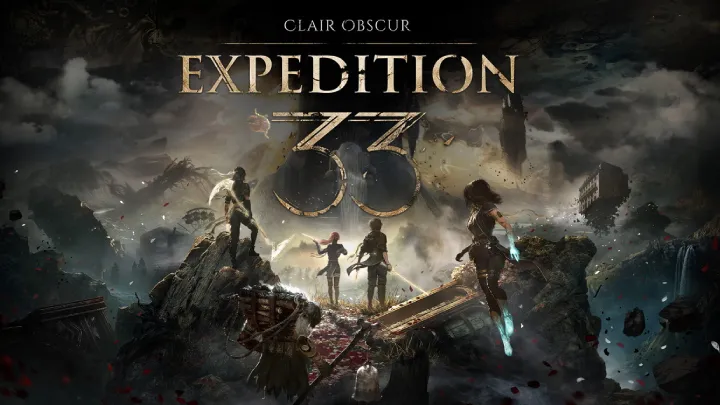
Clair Obscur: Expedition 33 has captivated players with its stunning visuals and immersive gameplay, but it also presents a pressing issue that lurks beneath its artistic surface: narrative dissonance. This term refers to the inconsistency experienced when the game mechanics, environment, and player-experienced story clash. As players navigate through the intricacies of the game, they often encounter moments where the intended narrative fails to harmonize with the player's actions and choices. This article delves into the various dimensions of narrative dissonance in Clair Obscur: Expedition 33, exploring its impact on player engagement, storytelling, and overall game experience.
The Allure of Clair Obscur: Expedition 33
An Artistic Masterpiece
Clair Obscur: Expedition 33 is hailed as a visual and thematic achievement in gaming. The environments showcase a blend of surreal landscapes and mesmerizing graphics, which draw players into a rich, atmospheric world. Players are tasked with exploring a mysterious realm, uncovering secrets, and solving puzzles, all while being enveloped in an evocative narrative.
Gameplay Mechanics
The game's mechanics revolve around exploration, puzzle-solving, and decision-making. Players must interact with the environment, manipulating light and shadow to uncover pathways and clues. The unique gameplay elements are designed to augment the narrative experience, inviting players to engage deeply with the story. However, this intricate design becomes problematic when the narrative fails to align with the players' understanding and choices.
The Concept of Narrative Dissonance
Understanding Narrative Dissonance
Narrative dissonance manifests when the game’s story presented through cutscenes, dialogue, and environmental storytelling contradicts the choices players make through gameplay. This inconsistency can lead to confusion, frustration, and a diminished connection to the game’s narrative. Players often find themselves questioning the coherence of the story as their actions lead to unexpected outcomes that seem at odds with the game’s intended themes and messages.
Examples in Clair Obscur
Throughout Clair Obscur: Expedition 33, numerous instances highlight narrative dissonance. For example, a key character may express despair about their situation during a cutscene, only for the player to find a way to alleviate that despair through gameplay. This incongruity creates a disjointed experience that disrupts immersion.
Character Development vs. Player Agency
The Role of Characters
One of the strengths of Clair Obscur lies in its character-driven narrative. Each character has a backstory, motives, and struggles that players are meant to empathize with. However, the weight of these character arcs can be undermined by a lack of agency in how players can affect character outcomes through their choices.
Misalignment of Player Choices
When players are given limited options, or their choices result in outcomes that feel disconnected from characters' established narratives, the emotional weight of those arcs diminishes. Players may find that their actions do not resonate with the characters’ experiences, leading to a disconnection that detracts from the overall storytelling. For instance, a character's growth compared to a player’s decisions can frequently leave a gap that feels unfillable.
Puzzles and Progression: A Disconnected Experience
The Nature of Puzzles
Puzzles are a fundamental component of Clair Obscur, designed to challenge players while drawing them deeper into the storyline. However, when puzzles feel overly complex or unrelated to character development, they can exacerbate narrative dissonance. Players often find themselves focusing more on solving mechanics rather than engaging with the unfolding story.
Frustration from Disjointed Progression
Moreover, when players face puzzles that interrupt the narrative flow, it creates a sensation of disconnection. For example, if a player has just witnessed a major storytelling moment only to be abruptly met with an overly intricate puzzle instead of a seamless transition, it can lead to frustration. This disruption affects immersion and can even trigger disengagement from the narrative altogether.
The Environmental Storytelling Paradox
Rich World-Building
Clair Obscur excels in crafting environments that tell stories of their own. The detailed landscapes, artifacts, and visual cues contribute immensely to the world-building and narrative depth. Yet, these elements can also contribute to narrative dissonance when they’re at odds with player agency.
Misleading Environmental Cues
Players might encounter areas rich in lore, but their interactions with these environments can lead to outcomes that negate the narrative significance previously established. For instance, uncovering a story element about a character’s loss only to have the game present a gameplay mechanic that trivializes that loss can be deeply frustrating. This paradox illustrates how rich environmental storytelling can clash with player agency, leading to a narrative experience that feels unbalanced.
The Impact of Choices on Narrative Flow
Meaningful vs. Hollow Choices
The illusion of meaningful choice is a concept that is often scrutinized in games. In Clair Obscur, while players are presented with various choices, the execution may not always yield significant changes in the overall narrative arc. Players may feel their choices do not impact the story meaningfully, leading to a sense of futility.
Consequential Choices
When choices result in similar outcomes, players may feel that their agency is merely an illusion, contributing to narrative dissonance. For instance, if a choice meant to reflect a character's moral alignment leads to a similar path regardless of decision, it undermines the emotional investment in the narrative and character arcs.
Player Expectations vs. Narrative Delivery
Setting Expectations
Players approach Clair Obscur with specific expectations, largely influenced by marketing and early gameplay experiences. However, when the narrative fails to meet these expectations due to widespread dissonance, discontent arises. Expectations set by early builds can differ significantly from the final product, leading to player disappointment.
The Role of Marketing
The marketing strategies employed can also set a false precedent. Promises of a dynamic storyline based on player choices can fall short if they do not account for the echoes of narrative dissonance throughout the game. These discrepancies can contribute to a fractured relationship between players and the storyline.
Balancing Art and Narrative
The Artistic Identity of Clair Obscur
Clair Obscur prides itself on its artistic expression, yet this approach can sometimes overpower narrative consistency. The game leans heavily on visuals to convey emotion, often to the detriment of its storytelling. While the art is visually stunning, a focus on aesthetics without cohesive narrative connections can lead to a jarring player experience.
The Cost of Emphasis on Visuals
The interplay between visual storytelling and narrative can create a dichotomy. When the game’s art distracts from its narrative coherence, players may struggle to maintain emotional investment. This emphasizes the need for a balance between artistic expression and a robust narrative structure to keep players engaged.
Closing the Gap: Solutions to Narrative Dissonance
Enhancing Player Agency
Addressing narrative dissonance in Clair Obscur could begin with enhancing player agency. Meaningful choices should yield significant narrative consequences. This adjustment could boost engagement, allowing players to feel their decisions impact the game world authentically.
Streamlining Puzzles and Narrative Flow
Additionally, streamlining puzzles to align with narrative momentum could enhance the overall experience. Ensuring that puzzles facilitate storytelling rather than disrupt it can create a more cohesive and immersive journey for players.
Conclusion
Narrative dissonance stands as a significant challenge for Clair Obscur: Expedition 33, impacting players' immersion and emotional engagement. By investigating the relationship between gameplay, story, and player choice, we can appreciate the complexities that this title presents. While Clair Obscur excels in its artistic ambition and world-building, bridging the gaps in narrative consistency paves the way for a more coherent and fulfilling player experience. Ultimately, addressing these issues can help ensure that the beauty of its landscapes is matched by the clarity and depth of its narrative.