

UNBEATABLE is an intense, narrative-driven rhythm adventure where every beat matters and every choice hits just as hard as the music. Learning how to master the game involves understanding timing, layered difficulty, character synergy, and the emotional narrative that shapes each performance. Unlike traditional rhythm games, UNBEATABLE forces players to stay present, react instantly, and understand patterns before they even unfold. This guide breaks down the progression from your first track to your final showdown—helping you navigate every challenge with clarity and confidence.
1. How to Start Strong in Your First Tracks
Your first hours in UNBEATABLE establish your foundation: rhythm accuracy, note recognition, and comfort with the control layout. This early phase isn’t about perfection—it’s about flow. Instead of trying to full-combo every song, focus on developing a consistent sense of timing. Many new players make the mistake of staring at the notes too literally. But the game rewards intuitive pattern recognition more than raw reaction time.
As the music introduces new rhythms and syncopated beats, try to lightly tap along even outside of active gameplay. Training your brain to follow the pulse prepares you for fast sequences later. Remember that UNBEATABLE’s early story chapters are intentionally slow to ease you into the world and give you time to think in rhythm.
H3: Learn the Interface
The early UI teaches you where notes appear and how inputs register. Study the lane flow so you can anticipate patterns before they arrive.
H4: Focus on Comfort
Your initial priority should be comfort—hand position, screen focus, and mental pacing.
2. How to Understand Pattern Language Early
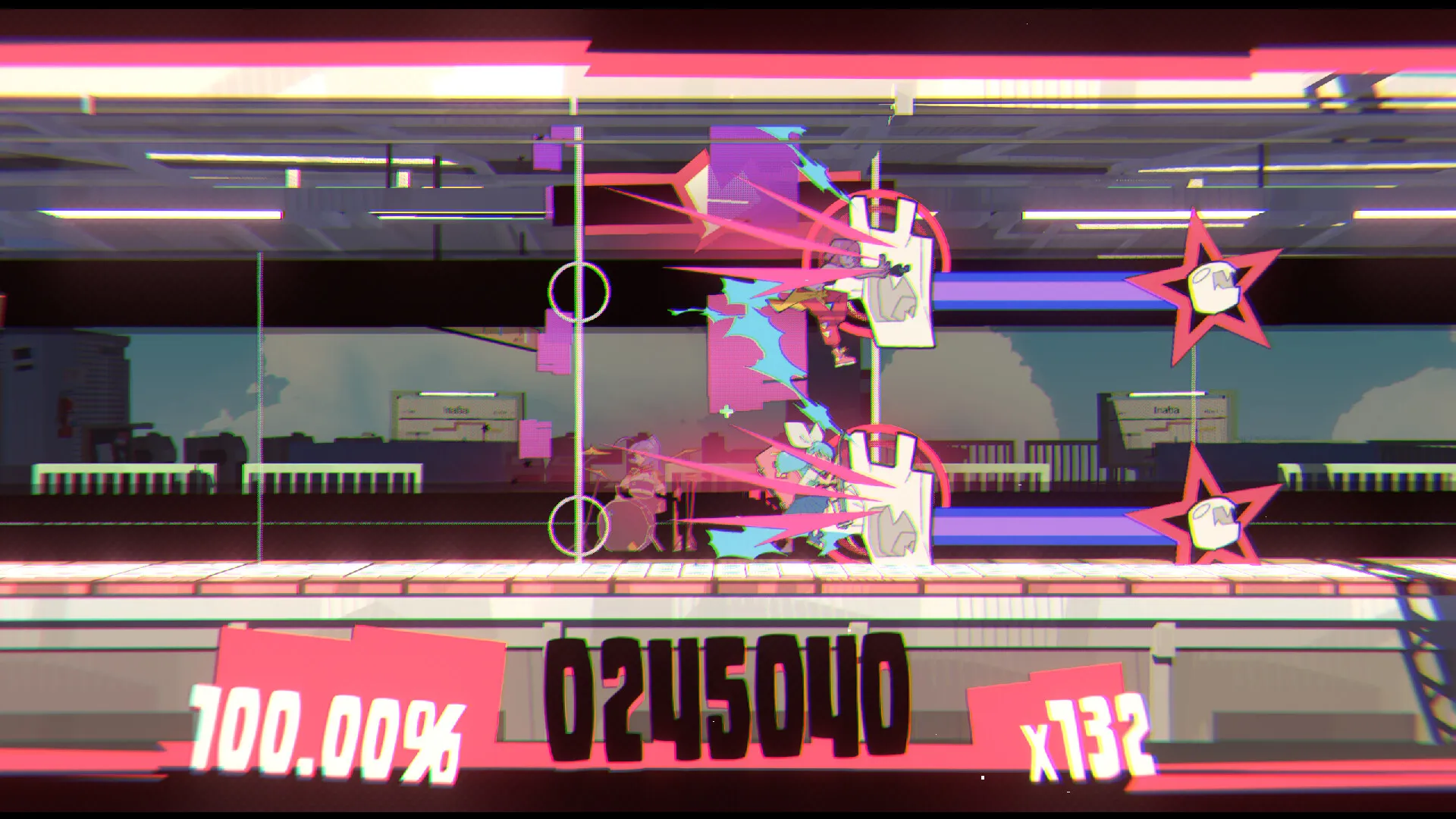
UNBEATABLE music charts use a unique visual grammar. Slowly, you’ll learn that certain clusters represent fast triples, subtle holds, or mixed-direction beats. Treat each pattern type like a “word” in its own language.
Once you recognize these “words,” you’ll stop reacting randomly and start predicting sequences. This is how top players maintain high accuracy even as difficulty spikes. Repetition builds familiarity, and familiarity builds confidence.
Observing patterns in slower tracks will help you decode more complex arrangements later. A song that feels frantic on your first attempt usually becomes readable once you understand its vocabulary.
H3: Break Patterns Into Sections
Don’t try to read an entire screen at once. Identify repeating segments and mentally group them.
H4: Don’t Fear Fast Notes
Speed is rarely the enemy—panic is. Once the structure becomes clear, speed feels natural.
3. How to Improve Accuracy and Timing Precision
UNBEATABLE punishes sloppy rhythm but rewards subtle, deliberate timing. The timing window grows tighter as difficulty escalates. Instead of hitting early or late, allow the natural rhythm of the music to guide your fingers.
Avoid watching your combo counter—chasing perfection leads to tension and inevitable mistakes. Instead, relax and treat each sequence as a fluid motion. The more comfortable you become with tempo consistency, the easier it will be to maintain long streaks.
To improve accuracy, consider playing with low volume at times. This keeps you from relying exclusively on the audio cues and trains visual perception.
H3: Use Metronome Thinking
Imagine a steady beat in your mind; this internal rhythm helps anchor your timing.
H4: Identify Your Weak Zones
Most players struggle with either left-hand timing or transitioning across lanes—practice these consciously.
4. How to Prepare for Mid-Game Difficulty Spikes
Mid-game tracks introduce unpredictable tempo shifts, abrupt bursts of notes, and emotional narrative beats that impact focus. It’s easy to lose rhythm when the game surprises you with sudden intensity.
Expect your first major skill wall here. Patterns become denser, and the game expects you to read two or three layers of rhythm at once. Instead of retrying repeatedly, take breaks and revisit earlier songs to reinforce fundamentals. Improvement in UNBEATABLE often happens subconsciously between sessions.
Mid-game also introduces character moments that heighten emotional stakes. These scenes change how you interpret the music and may affect your mindset.
H3: Practice Adaptive Timing
Some songs shift tempo mid-phrase. Train yourself to adjust instantly without hesitation.
H4: Recognize Stress Triggers
Tilt, panic, and tension are the biggest obstacles—not the notes themselves.
5. How to Navigate the Story and Dialogue Choices
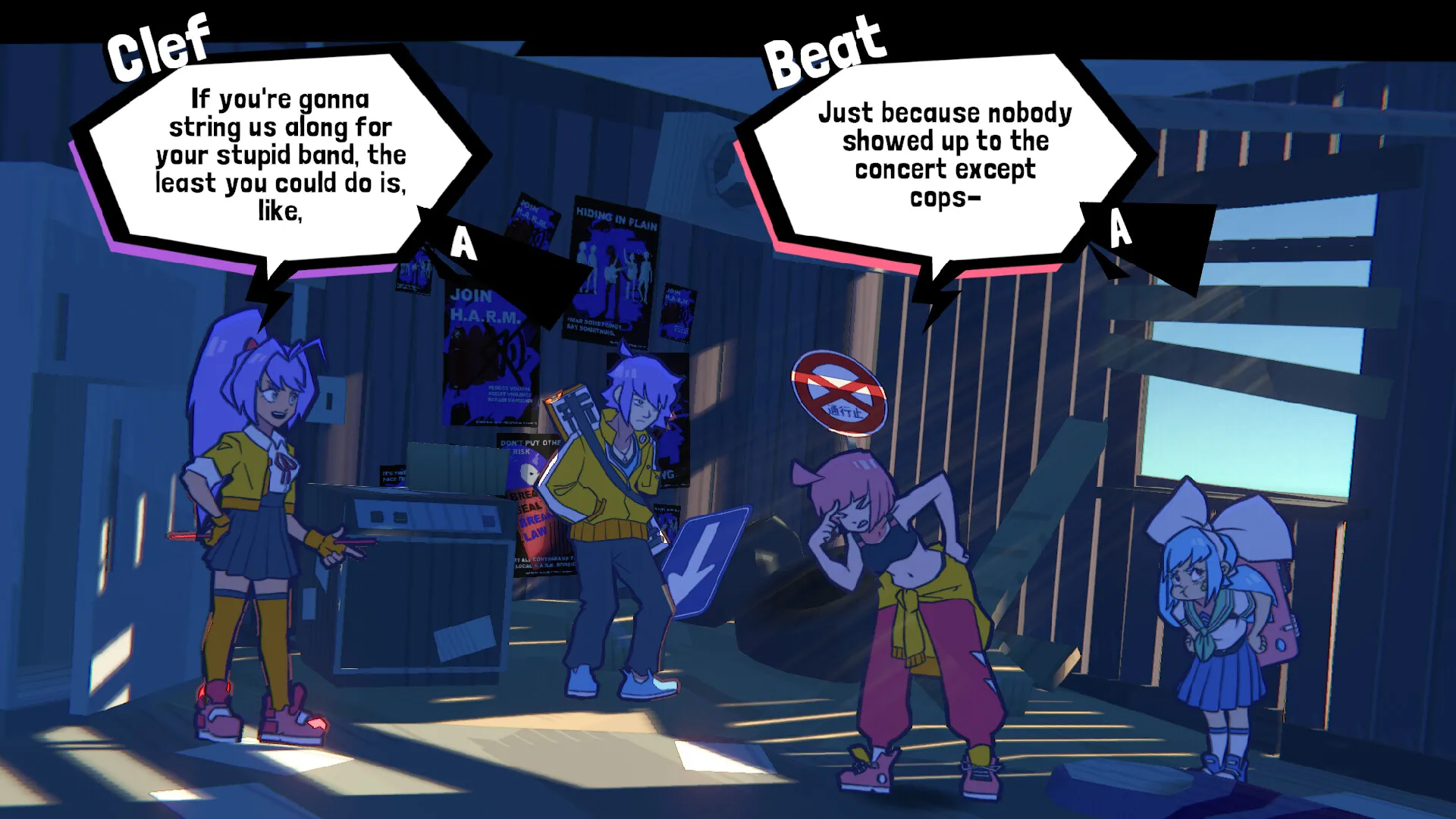
UNBEATABLE blends rhythm gameplay with an emotional narrative built on choices. While the game doesn’t always punish you for dialogue decisions, the choices shape character relationships and chapter tone.
Pay attention to the context of each dialogue moment. Subtle emotional cues help you understand the protagonist’s mindset and prepare you for story-driven rhythm battles. The more in tune you are with the narrative, the easier it becomes to interpret why the music behaves the way it does.
Some choices unlock side scenes, alter pacing, or reveal new character insights. These may not affect combat directly, but they deepen investment—and emotional investment improves performance.
H3: Listen to Subtext
Character tone often hints at upcoming musical challenges.
H4: Explore Optional Paths
Extra scenes provide lore, emotional depth, and better preparation for intense chapters.
6. How to Master High-Speed Note Sequences
Higher difficulties introduce rapid-fire note clusters that feel chaotic. But even chaos has structure. The key to mastering fast sequences is maintaining consistent finger movement rather than reacting to every individual note.
Think of rapid sequences as patterns, not random hits. Repetition creates muscle memory, and eventually the movements become instinctive. Keep hands relaxed—tension slows your reaction time and damages accuracy.
Advanced players use “rolling taps” for fast bursts, allowing their fingers to cascade in rhythm rather than press harshly. This reduces strain and increases stability.
H3: Train Rolling Techniques
Rolling taps distribute effort across fingers, increasing control during bursts.
H4: Anticipate Rather Than React
Fast segments must be predicted—not chased.
7. How to Build Mental Stamina for Long Tracks
UNBEATABLE’s longer songs require physical and psychological resilience. Extended sequences test your focus far more than your speed. Mental fatigue leads to misreads, missed beats, and spiraling errors.
To build stamina, gradually increase session lengths. Avoid playing only short songs—mix in a few longer tracks each time. Hydration and posture also influence performance more than most players realize. A calm mind supports consistent rhythm.
Long tracks also tell deeper parts of the story. Engaging emotionally without losing composure is a learned skill.
H3: Manage Your Breathing
Steady breathing improves timing regulation and reduces tension.
H4: Stay Present
Don’t think about the next minute of the song—focus on the current measure.
8. How to Overcome End-Game Challenges
End-game tracks combine everything you’ve learned: syncopation, bursts, layered patterns, emotional pacing, and unexpected visual accents. These songs demand mastery, not just competency.
You may hit a plateau here. Progress requires reflection: analyze patterns, adjust hand techniques, and approach each failing attempt as data. Many end-game tracks introduce rhythm illusions—sequences that look off-beat but actually follow a hidden pulse.
These challenges test your ability to remain calm under pressure. Treat them like boss battles—each one has a unique “rhythm personality.”
H3: Identify Song Personalities
Some tracks emphasize emotion, others aggression—learn their identity.
H4: Reflect on Errors
Watching replays or visualizing mistakes accelerates improvement.
9. How to Develop a Competitive Skill Set (Advanced Play)
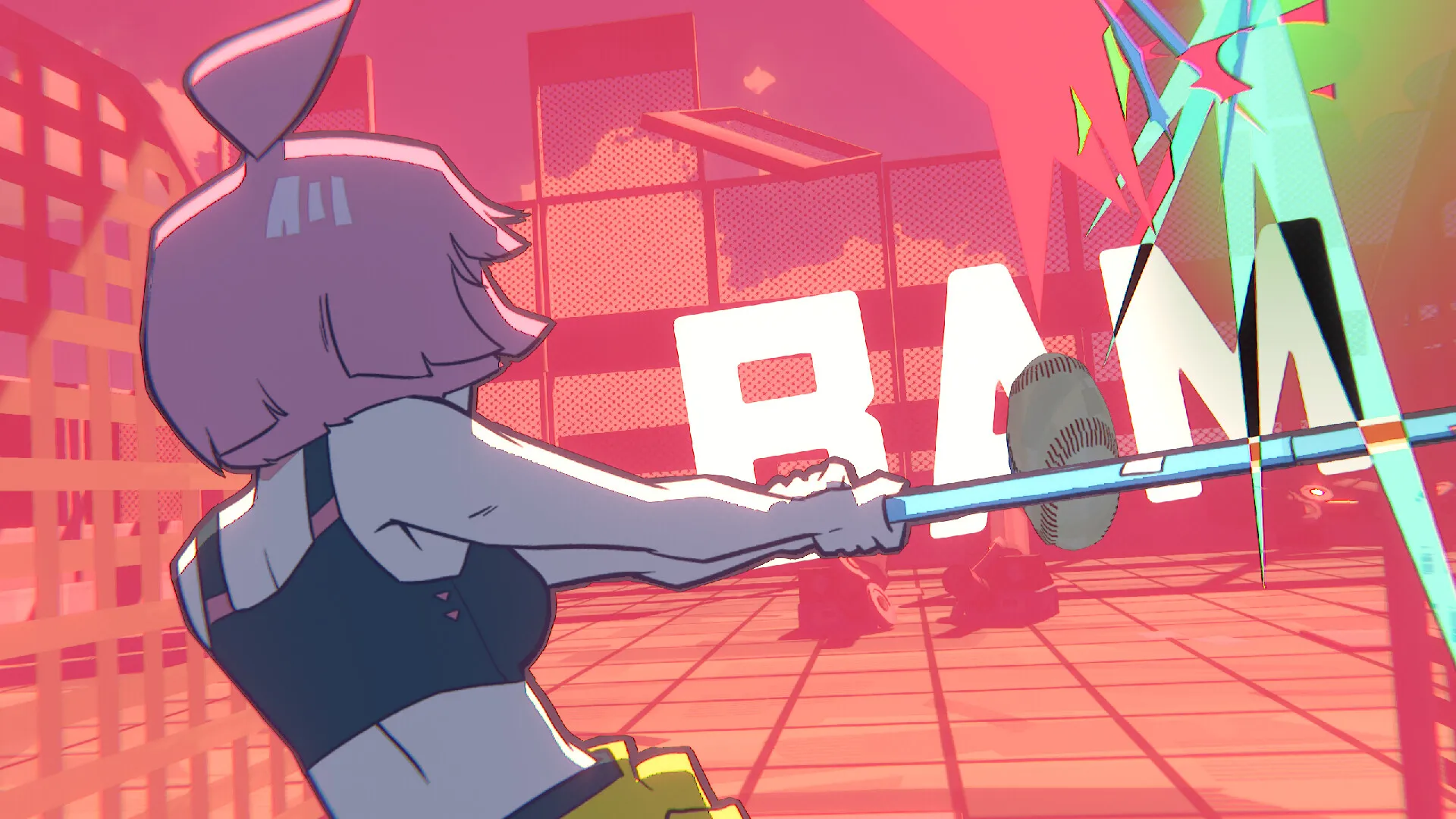
For players seeking mastery, UNBEATABLE offers depth that rivals top rhythm esports titles. Competitive-level play requires precision, adaptability, and mental discipline.
Study top players’ runs to learn advanced techniques like micro-timing correction or lane-anchoring. Remember that everyone began with the same struggles—your variability becomes consistency over time.
Building competitive skill takes discipline. Set daily practice goals, track progress, and focus on improving one weakness at a time.
H3: Advanced Movement Techniques
Lane-anchoring, pattern-mirroring, and predictive tapping are core skills.
H4: Analyze Gameplay Like Data
Numbers, patterns, and trends reveal more than intuition alone.
10. How to Maintain Long-Term Progress and Enjoyment
Mastery is long-term, and burnout is common. The secret to staying engaged is balancing challenge and enjoyment. Don’t chase perfection every day—some sessions should simply be for fun.
Variety matters. Alternate between difficult tracks, emotional chapters, and lighter practice to keep your motivation high. Celebrate incremental successes, whether it’s improving by a few accuracy points or finally decoding a tricky pattern.
UNBEATABLE thrives on emotional resonance. Let the music pull you back in—even on tough days.
H3: Create Sustainable Habits
Consistency beats intensity—small, regular sessions yield best results.
H4: Remember Why You Started
Mastery is rewarding, but joy is the real core of UNBEATABLE.
Mastering UNBEATABLE is a journey that blends rhythm precision, emotional storytelling, and mental resilience. With patience, pattern understanding, and strategic practice, any player can go from overwhelmed to confident—even in the game’s most intense tracks. The key is developing recognition, endurance, calmness, and an intuitive relationship with the music. As you progress, UNBEATABLE becomes more than a game—it becomes a dialogue between player and sound, challenge and growth.