





Monster Hunter Wilds marks a bold evolution of the Monster Hunter series, introducing vast seamless environments, dynamic weather systems, intelligent monster ecosystems, and more immersive hunting mechanics than ever before. Unlike previous entries, Wilds emphasizes adaptation: monsters react to the environment, weather alters combat flow, and hunters must constantly adjust strategies on the fly. Success is no longer just about mastering your weapon, but about understanding the living world around you.
This in-depth tips and guides article is designed to take you from your very first hunt to late-game mastery. Organized by progression and learning curve, the guide explores core mechanics, preparation, combat flow, weapon mastery, monster behavior, survival systems, and advanced strategies. Whether you are a veteran hunter or a newcomer stepping into the Wilds for the first time, this guide will help you hunt smarter, safer, and more efficiently.
1. Understanding Monster Hunter Wilds’ Core Gameplay Philosophy
Monster Hunter Wilds is built around a living, reactive ecosystem. Monsters roam freely, hunt prey, migrate during storms, and clash with one another. Hunters are no longer the only apex predators on the map.
The game encourages observation and patience. Rushing into combat without understanding environmental factors often leads to unnecessary damage or failed hunts. Learning when to engage, reposition, or let monsters fight each other is a core skill.
H3: Key Gameplay Pillars
- Environmental interaction
- Adaptive monster AI
- Dynamic weather effects
- Seamless open zones
H4: What This Means for Hunters
You must think like a tracker, not just a fighter. Studying patterns and reacting intelligently is more important than raw aggression.
2. Choosing the Right Weapon for the Wilds
Monster Hunter Wilds retains the iconic weapon roster, but movement, terrain, and monster behavior affect how weapons perform.
Some weapons excel in open plains, while others thrive in dense forests or during storms. Your choice should reflect both your playstyle and the region you’re hunting in.
H3: Beginner-Friendly Weapons
- Sword and Shield for adaptability
- Long Sword for fluid combat
- Bow for ranged safety
H4: Advanced Weapon Considerations
Heavy weapons benefit from environmental knockdowns, while fast weapons capitalize on monster fatigue and weather disruptions. Master multiple weapons to stay flexible.
3. Early Game Progression and First Hunts
The early game in Monster Hunter Wilds is about learning systems, not rushing power.
Low-rank hunts introduce environmental hazards, basic monster behaviors, and core crafting loops. Take time to explore maps fully and gather resources.
H3: Early Game Priorities
- Complete optional quests
- Upgrade basic armor sets
- Learn monster tells and attack rhythms
H4: Common Beginner Mistakes
Avoid skipping gathering, ignoring scout tools, or crafting without planning. Early efficiency saves hours later.
4. Mastering the New Open-World Environments
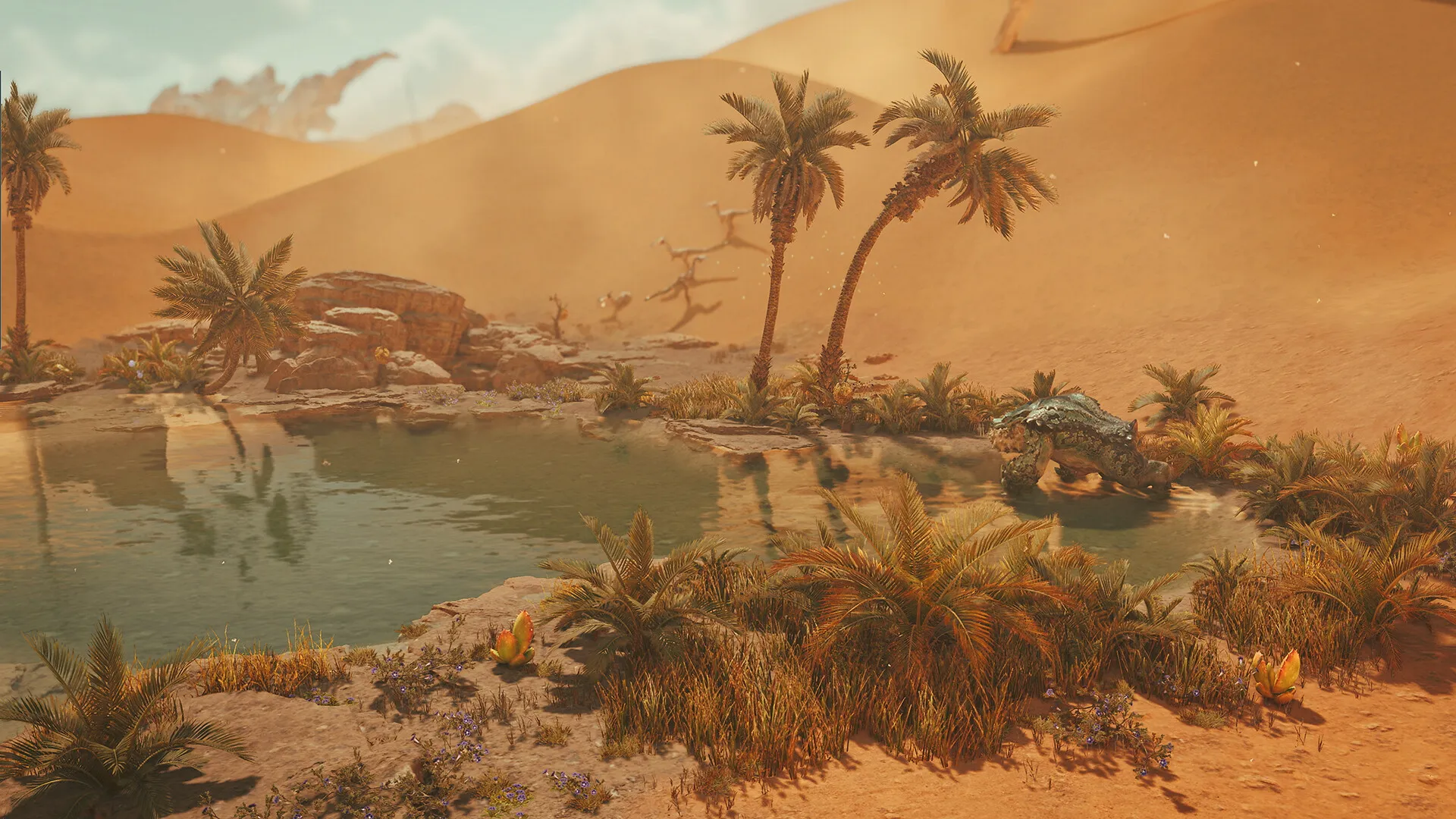
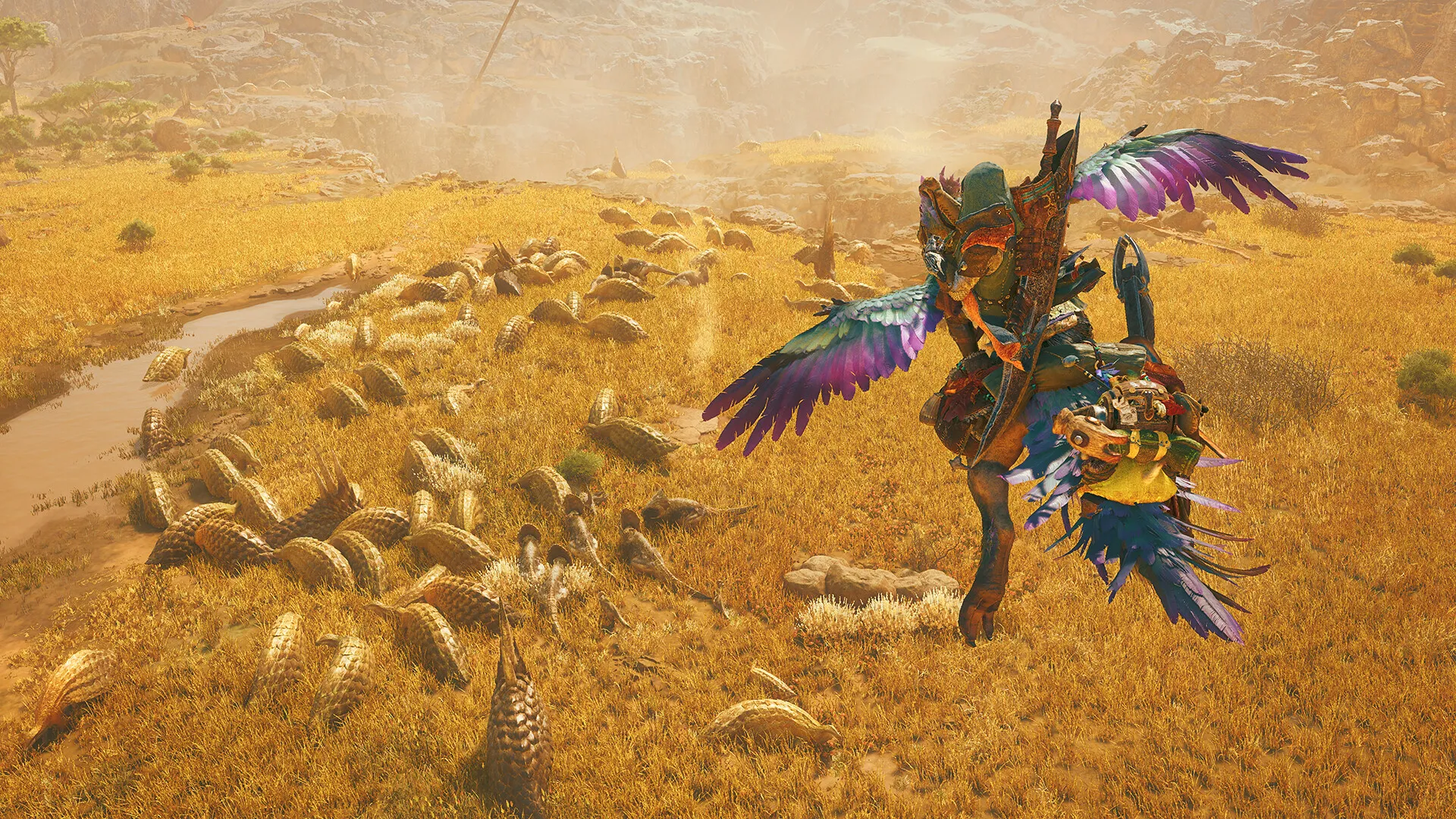
Wilds features large, interconnected maps with minimal loading screens. These environments are filled with hazards, shortcuts, and opportunities.
Weather dramatically alters terrain. Rain causes mudslides, sandstorms reduce visibility, and lightning storms can stun monsters.
H3: Environmental Advantages
- Lure monsters into hazards
- Use elevation for mounting attacks
- Let rival monsters weaken each other
H4: Survival Tips
Always carry supplies for weather changes. Positioning matters more than ever.
5. Combat Flow, Positioning, and Stamina Management
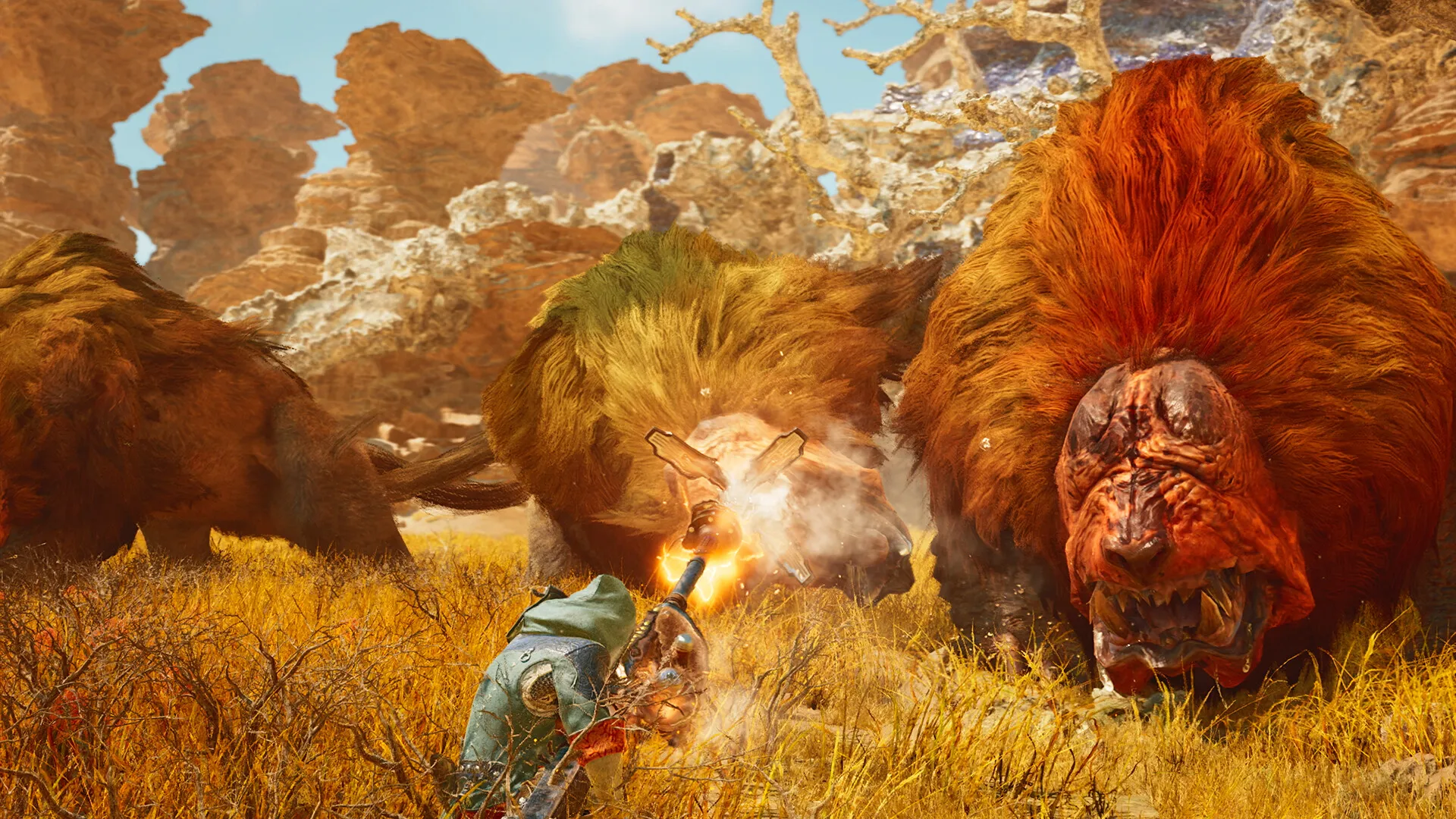
Combat in Monster Hunter Wilds rewards rhythm and patience.
Overcommitting leads to punishment, especially against monsters that chain attacks. Learning when to disengage is critical.
H3: Combat Best Practices
- Attack after monster combos
- Manage stamina carefully
- Use terrain to control spacing
H4: Defensive Fundamentals
Dodging, guarding, and repositioning are as important as dealing damage. Staying alive means consistent DPS over time.
6. Reading Monster Behavior and AI Patterns
Monsters in Wilds react to hunger, injury, weather, and rival threats.
An enraged monster behaves differently than a wounded one. Some flee storms, others become more aggressive.
H3: Behavior Indicators
- Limping signals capture opportunity
- Roars change during rage
- Movement slows when fatigued
H4: Tactical Adaptation
Adjust traps, weapon choices, and positioning based on the monster’s current state, not just its species.
7. Crafting, Gear Progression, and Build Planning
Crafting remains central, but Wilds emphasizes situational builds.
Armor skills interact with weather, terrain, and monster types. You’ll benefit from maintaining multiple sets.
H3: Gear Progression Tips
- Craft for survivability early
- Prioritize elemental resistance
- Upgrade weapons steadily
H4: Smart Build Strategy
Avoid over-specializing too early. Balanced builds provide flexibility during unpredictable hunts.
8. Multiplayer Hunts and Team Coordination
Monster Hunter Wilds shines in co-op play.
Team synergy, role distribution, and communication drastically reduce hunt times and risk.
H3: Effective Team Roles
- DPS focus hunter
- Support hunter with buffs
- Trap and control specialist
H4: Multiplayer Etiquette
Avoid tripping teammates, coordinate traps, and respect mounting opportunities.
9. Mid to Late Game Optimization and Advanced Techniques
As difficulty rises, efficiency becomes essential.
Late-game monsters exploit mistakes, requiring precise positioning, optimized builds, and deep mechanical knowledge.
H3: Advanced Techniques
- Perfect dodge timing
- Environmental chaining
- Monster turf manipulation
H4: Optimization Checklist
- Maximize armor skills
- Upgrade charms
- Learn speedrun-safe openings
10. Endgame Hunts, Elder Threats, and Long-Term Mastery
Endgame content in Monster Hunter Wilds tests everything you’ve learned.
Elder-level threats reshape environments and force constant adaptation. Preparation and mental discipline matter more than raw stats.
H3: Endgame Survival Tips
- Enter hunts fully stocked
- Study monster phases
- Don’t rush damage windows
H4: Long-Term Growth
True mastery comes from repetition, learning from failures, and staying calm under pressure.
Conclusion
Monster Hunter Wilds is a living, breathing evolution of the franchise—one that rewards adaptability, observation, and intelligent decision-making. By mastering weapon choice, environmental awareness, monster behavior, and long-term progression, hunters can thrive in even the harshest conditions. The Wilds are unforgiving, but they are also rich with opportunity for those willing to learn and adapt.
Whether you hunt solo or with allies, every encounter is a lesson. With patience, preparation, and practice, you will not only survive Monster Hunter Wilds—you will conquer it.