Introduction
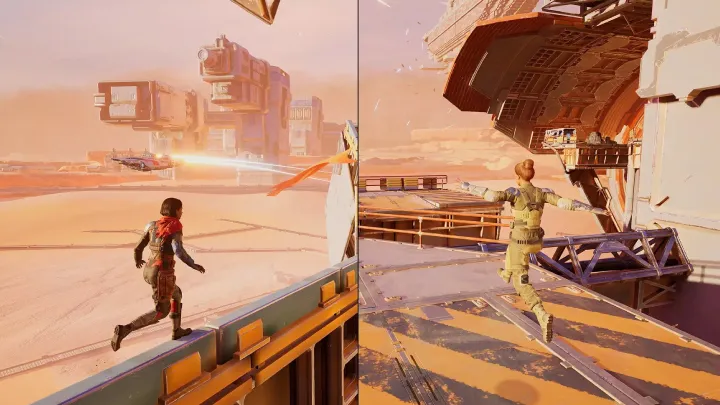
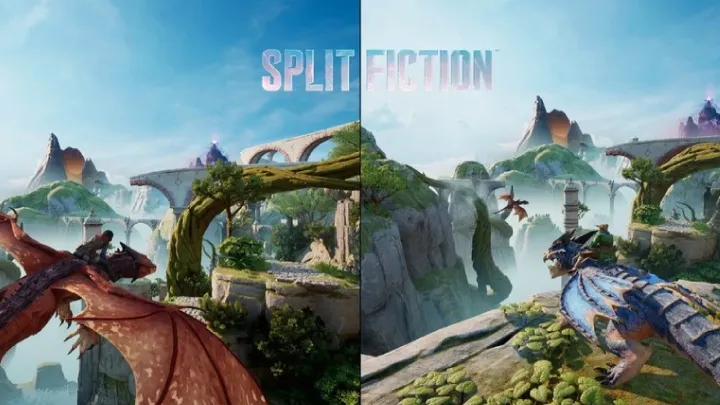
Split Fiction, developed by an innovative indie studio, has quickly garnered attention for its thought-provoking narrative and multidimensional gameplay. Set in a world where players make profound choices that influence the storyline, the game deeply immerses players in ethical dilemmas and moral quandaries. However, one specific issue stands out amid its engaging design: the challenge of narrative complexity when presenting player choices. This complexity can lead to confusion and dissatisfaction, especially when the ramifications of choices become unclear. In this article, we will explore this issue in detail, examining how narrative complexity impacts player experience, engagement, and overall enjoyment in Split Fiction.
The Intricacies of the Choice-Driven Narrative
Making Choices Matter
Split Fiction thrives on its central mechanic: player choice. The game allows players to navigate a series of branching narratives, making decisions that ostensibly affect the outcome of the story. This concept is appealing, as it gives the player a sense of agency and responsibility for their actions, creating a personal investment in the game.
Emotional Resonance
However, the emotional weight of choices can sometimes be undermined by a lack of clear consequences. Players often find themselves grappling with decisions that seem significant but result in outcomes that are either too subtle or entirely disconnected from their choices. This disconnection can lead to a diminished feeling of impact and, ultimately, engagement with the story.
Disparate Pathways: The Challenge of Clarity
Confusion Among Choices
One of the most pressing issues in Split Fiction is the confusion arising from the complexity of its branch systems. Believing they are making meaningful choices, players may find themselves lost in a web of narrative pathways. Each pathway promises different outcomes; however, the intricacies involved can make it difficult for players to understand the implications of their decisions.
Examples of Confusion
For instance, a decision to support one character over another could lead to convoluted plot developments that are hard to trace back to the choices made. Players may encounter scenarios where they are faced with moral dilemmas, yet the outcomes do not clearly reward or punish them based on their selected path, leading to frustration and a sense of futility.
Procedural Choices: The Illusion of Meaning
The Psychology of Decision-Making
A critical aspect of engaging storytelling is the ability to make players feel that their decisions genuinely matter. In Split Fiction, the psychological component of decision-making is paramount for keeping players invested in the narrative. However, when choices become procedural and predictable, the gameplay experience suffers.
Diminished Stakes
In some instances, the stakes seem artificially inflated rather than organically developed through narrative buildup. For example, a seemingly trivial choice can lead to dramatic consequences that feel unearned. This discrepancy can throw players off balance and undermine the emotional investment they have placed in the narratives.
Layering Complexity: Narrative Interconnections
Weaving Threads Together
Split Fiction can be applauded for its intricate storytelling, where narratives intertwine and influence one another. Characters and story arcs create a rich tapestry of relationships that lend depth to the world. However, this complexity also raises challenges when it comes to clarity and coherence.
The Risk of Overcomplication
As narratives become more layered, players may struggle to remember their choices and the resulting consequences. Characters might return later with entirely different motivations based on prior decisions, but if players cannot recall the specific choices that led to this point, the impact is lost. For example, a character's redemption arc could feel unearned if players have forgotten the original decision that set them on a path of betrayal.
Player Experience: The Importance of Feedback
Immediate Consequences
To aid players in navigating complex decisions, immediate feedback is vital. In effective narratives, players should receive clear indicators of how their choices impact the storyline. Without this feedback, players can easily become disoriented, prompting disengagement from the experience.
The Necessity for Developers
Developers should implement visual cues, dialogue shifts, or altered interactions to highlight the effects of choices. For example, if a character displays differing emotional responses based on earlier decisions, these subtleties can enhance player immersion. This feedback not only reinforces the importance of player actions but also rewards careful thought and consideration.
The Impact of Narrative Complexity on Replayability
A Double-Edged Sword
Interestingly, while narrative complexity poses challenges, it can also serve as a double-edged sword regarding replayability. Although players may initially feel overwhelmed by interconnected choices, the promise of discovering different outcomes can entice them to revisit the game.
The Allure of Discovery
However, this allure can quickly wane if players sense that their new choices yield results that mirror previous playthroughs. If players encounter the same character arcs or outcomes despite attempting different strategies, they may quickly lose interest. The developers must strike a balance between complexity and uniqueness in alternative pathways to maintain player engagement.
Balancing Story and Gameplay
Harmony Between Mechanics and Narrative
Effective narrative design necessitates a balance between story and gameplay. While players thrive on engaging stories, the mechanics should enhance rather than hinder the experience. Split Fiction's decision-based gameplay should feel instinctive, with choices flowing smoothly into the narrative landscape.
The Role of Game Mechanics
To achieve this balance, game mechanics should support the overall narrative structure. For instance, a system that allows players to track their choices and outcomes can provide clarity without drawing them out of the experience. Tools like a decision tree or a journal that summarizes previous choices can keep players informed while allowing them to focus on the unfolding story.
Community Engagement: Sharing Experiences
The Role of Conversations
The player community also plays a significant role in navigating the complex narratives of Split Fiction. Online forums and social media platforms become avenues for players to share experiences, dissect outcomes, and decode the intricate web of choices. These discussions can enhance understanding and provide new perspectives on the narrative.
Fostering a Community of Support
In addition, developers can gather feedback from players to create a more coherent experience in future updates. Community input can be invaluable in highlighting areas of confusion or disconnection, helping to shape narrative adjustments that better serve the player base.
Conclusion: Finding Clarity in Complexity
In conclusion, Split Fiction presents a compelling exploration of narrative complexity interwoven with player choice. While the game excels in its ambition and innovative storytelling, it also faces significant challenges in making choices feel impactful and clear. As players navigate this expansive world, the need for clarity amidst complexity becomes paramount in enhancing the overall gameplay experience.
To foster deeper engagement, developers must focus on creating systems that provide meaningful feedback and balance between character arcs and player agency. By doing so, Split Fiction can fully realize its potential as a groundbreaking narrative adventure that leaves a lasting impression on players, enriching their interactive storytelling journey.
Ultimately, navigating the intricacies of choice can be daunting, but it's also where the true essence of storytelling lies—finding clarity within the complexity.