




In the modern internet era, few cultural trends have become as recognizable as the phrase Steal a Brainrot. Originally tied to fandom obsession and hyperfixation, the term refers to the act of absorbing someone else’s favorite character, meme, game, or phrase until it becomes yours—fully integrated into your daily thoughts. But how exactly does one Steal a Brainrot, what does it mean, and how to turn it into something meaningful instead of random online noise?
This article explores the history, psychology, creative practices, and future pathways of Steal a Brainrot, explaining how obsessive attention became a cultural engine and even a hot game inside fandom communities, streaming culture, and social media trends.
From deep-dive explanations to step-by-step strategies, this guide reveals why people treat obsession like entertainment, why internet culture encourages repetition, and how to harness that energy for creativity, productivity, and social bonding.
1. What Does Steal a Brainrot Mean?
To understand Steal a Brainrot, we must first look at the slang term “brainrot.” In online spaces, brainrot refers to a state of extreme fixation where a particular character, game, quote, or meme occupies your mind constantly. Your brain feels like it’s “rotting” from overexposure—yet in a playful and affectionate way. When someone wants to Steal a Brainrot, they want to adopt another person’s fixation until it becomes their own.
This style of rapid obsession has become a hot game on social media: who can embrace a concept the fastest? Who can repeat a phrase long enough that others start using it too? The playful competitive nature makes how to borrow someone else’s obsession a kind of cultural sport.
Why the Word “Steal” Matters
The word “steal” does not imply harmful theft; instead, it means embracing another person’s enthusiasm. To Steal a Brainrot is to be influenced by someone’s passion and allow it to reshape your interests.
Core Brainrot Elements
- Repeated phrases or memes
- Attachment to characters or aesthetics
- Transformation of identity through obsession
- Emotional investment and consistency

2. How Steal a Brainrot Became a Hot Game of Online Culture
The transformation of Steal a Brainrot from a humorous phrase into a mainstream expression didn’t happen overnight. Social platforms amplified trends, fandom communities celebrated emotional intensity, and content creators showcased what they adored on a daily basis.
This exposure turned obsession into a hot game of personal branding, where people learned how to showcase their fixations as identity markers. Once others became curious, they would Steal a Brainrot from someone they admired, creating a chain reaction of shared passions.
Platforms That Encouraged the Trend
- TikTok — looping aesthetics and audio trends
- Twitter/X — rapid meme exchange
- Tumblr — emotional long-form posting
- Discord — collaborative obsession cycles
Emotional Drivers
- Desire for belonging
- Craving shared enthusiasm
- Need for repeatable joy
3. The Psychology Behind Steal a Brainrot
The urge to Steal a Brainrot has roots in attention science. Humans are drawn to repetition, emotional expression, and shared meaning. When we see others passionately discussing something, we want to experience that feeling too.
As communities turn fixation into a hot game, people learn how to manipulate their own focus. They engage actively, not passively, becoming participants in their own obsessions.
Psychological Reinforcements
- Dopamine from repeated exposure
- Identity through shared language
- Comfort from familiar repetition
Why We Adapt Other People’s Interests
Humans mimic what excites others. When someone we admire loves something deeply, we want to feel the same emotional energy. To Steal a Brainrot is to connect by replicating passion.

4. How to Identify a Brainrot Worth Stealing
Not every obsession resonates with every person. To Steal a Brainrot effectively, one must find something emotionally sticky: a character with depth, a hot game with a compelling world, or a quote that echoes personal feelings.
If you’re unsure how to choose, follow emotional response. If you keep thinking about something without effort, you’ve found potential brainrot material.
Signs of a Perfect Brainrot
- You think about it constantly
- You want to share it with others
- You replay scenes or quotes in your mind
Sources of Inspiration
- Narrative-heavy media
- Striking visual styles
- Community conversations
5. How to Steal a Brainrot Step by Step
Once you find something captivating, the next stage is immersion. To Steal a Brainrot, you must expose yourself continuously—watch, read, play, repeat. Obsession thrives with consistency.
Some treat it as a hot game: who can absorb the most lore, create the best fan edits, or stay obsessed the longest? Learning how to transform exposure into fixation is a skill.
Practical Brainrot-Swapping Rituals
- Consume related media daily
- Quote favorite lines often
- Share clips or screenshots
- Write or draw interpretations
Brainrot Absorption Techniques
- Focus thoughts before sleep
- Repeat core imagery or phrases
- Use themed profile icons or statuses
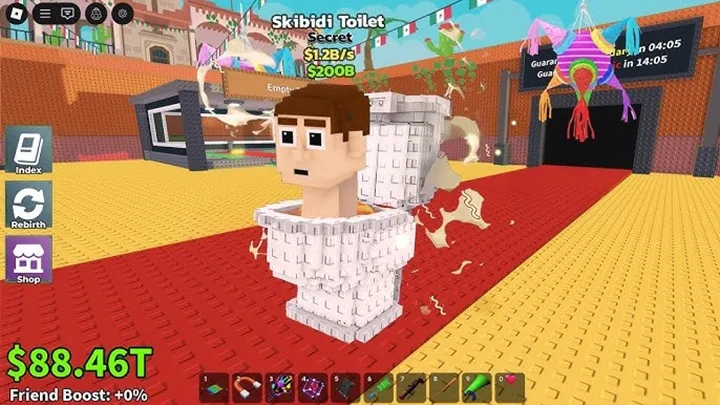
6. How Steal a Brainrot Influences Creativity
Contrary to belief, obsession can be productive. When you Steal a Brainrot, you unlock motivation and creative flow. Artists, writers, and designers often credit their best work to periods of fixation.
Many treat creativity like a hot game of expression—seeing how to produce something original using shared references.
Creative Outputs Influenced by Brainrot
- Fanfiction and poetry
- Art, animation, and design
- Music remixes and mashups
- Fashion inspired by characters
Emotional Benefits
To Steal a Brainrot is to engage your imagination. You explore emotion, identity, and narrative through passion-driven creativity.
7. How to Turn Brainrot Into Skill Development
Fixation can sharpen real-world skills. When you Steal a Brainrot inspired by a hot game, you might learn design, narrative thinking, or strategy. Hyperfocus builds expertise, and expertise builds confidence.
People who discover how to transform obsession into achievement often develop long-term abilities.
Transferable Skills
- Visual storytelling
- Emotional communication
- Writing structure
- Technical creativity
Long-term Advantages
Even if obsession fades, skills persist. To Steal a Brainrot is to practice mastery without realizing it.

8. How Steal a Brainrot Connects Communities
Connection is the most rewarding outcome of fixation. When you Steal a Brainrot from someone, you build shared language and emotional reference points. Among friends and online circles, fixation becomes a hot game of recognition—who gets the reference first?
Understanding how to express your passion invites others to join your world.
Community Activities
- Group viewings and gameplay nights
- Collaborative memes and art trades
- Shared playlists or quote lists
Why We Stay Connected
Once you Steal a Brainrot, your excitement becomes intertwined with others’, creating friendships rooted in passion.
9. The Challenges of Brainrot and How to Avoid Burnout
Every obsession carries risk. If you Steal a Brainrot too intensely, burnout may follow. Balance is essential. Even the most hot game benefits from rest.
Learning how to pause without abandoning your fixation helps maintain mental well-being.
Signs of Brainrot Fatigue
- Loss of excitement
- Emotional overload
- Disconnection from daily life
Healthy Brainrot Practices
- Rotate interests periodically
- Take breaks without guilt
- Turn obsession into creation

10. The Future of Steal a Brainrot as Digital Culture
As technology evolves, so will fixation. Soon, Steal a Brainrot may shape game design, marketing, and narrative structure. Companies already treat obsession like a hot game, creating worlds that draw players back repeatedly.
Fans will continue learning how to turn emotion into expression, reinforcing the cultural power of shared passion.
Predictions
- Brainrot-based game mechanics
- Personalized AI fandom experiences
- Collaborative universe storytelling
Enduring Legacy
To Steal a Brainrot today is to influence cultural memory tomorrow.
Conclusion
To Steal a Brainrot is to embrace obsession with purpose. It transforms fixation into creativity and turns emotional attention into a hot game of identity, expression, and connection. Whether you're learning how to adopt someone’s passion or turning your own fixation into art, brainrot can be a powerful engine of growth. When shared responsibly, obsession becomes not distraction, but meaning—an echo of what inspires us and what we value.