

Introduction
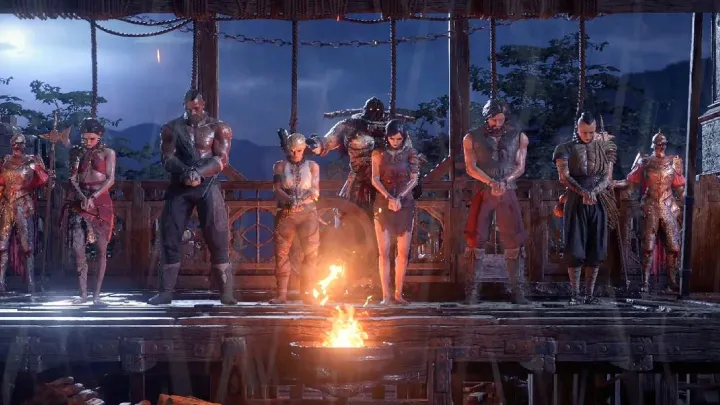
Path of Exile 2, the highly anticipated sequel to Grinding Gear Games' acclaimed action RPG, has generated immense excitement among the gaming community. Building on the successful foundation of its predecessor, Path of Exile 2 seeks to expand the universe with new mechanics, classes, and an engaging storyline. However, one specific issue has garnered significant attention: the challenge of endgame content. As players dive into the depths of Wraeclast once more, they face a delicate balance between challenge and reward, heavily impacting overall player satisfaction and long-term engagement. In this article, we will explore how endgame content in Path of Exile 2 presents both challenges and opportunities, analyzing its mechanics, player feedback, and potential solutions.
The Legacy of Path of Exile’s Endgame
Understanding Endgame Expectations
Path of Exile built its reputation on a deep and intricate endgame system, offering players a myriad of challenges through maps, leagues, and bosses. The endgame was celebrated for its complexity and flexibility, enabling players to tailor their experiences based on their build choices and goals. As a result, expectations for Path of Exile 2 were set high, with players eager to experience a new vision of endgame content.
Historical Success and Challenges
While the first iteration of Path of Exile has successfully maintained player engagement through its ever-evolving content, it also faced criticism over time. Issues such as the scalability of content, the grind required to progress, and the balance between casual and hardcore player engagement have been points of contention. The developers' challenge for Path of Exile 2 is to address these concerns while pushing the envelope further.
The New Endgame Landscape
Introduction to Enhanced Systems
Path of Exile 2 introduces fresh mechanics designed to evolve the endgame experience. With new classes and a reimagined skill system, the developers aim to create a more dynamic environment where players can explore diverse playstyles and strategies. These changes pave the way for an innovative approach to endgame content, aiming to keep players engaged beyond their initial forays into Wraeclast.
Changes in Mapping Systems
One of the fundamental shifts in the endgame structure is the redesigned mapping system. During the original game, players navigated through maps that often felt repetitive and could deter engagement over time. The new system focuses on diversity and variety, aiming to introduce more unique encounters and rewarding gameplay experiences.
However, as much as this shift presents new opportunities, it also risks alienating players who are accustomed to the familiar rhythm of map mechanics in Path of Exile.
The Grind: Rewards vs. Frustrations
Balancing Challenge and Reward
A significant issue lies in how the game balances the effort required to tackle endgame content against the rewards players receive. The “grind” has long been a defining characteristic of Path of Exile, where players must invest significant time to achieve their desired objectives. However, the question arises: at what point does grind become a barrier rather than a pathway to enjoyment?
Community Feedback
Initial feedback suggests that while players appreciate the depth of content, many argue that the grind remains excessive. From farming maps to farming bosses, some players find themselves trapped in a cycle where progress feels overly slow and unfulfilling. The discrepancy between player expectations and the in-game experience may lead to disappointment and frustration, highlighting the necessity for the developers to find a more satisfying equilibrium.
Boss Encounters and Mechanics
The Evolution of Boss Challenges
Endgame bosses in Path of Exile 2 also underwent a significant overhaul. The initial offerings serve as pivotal encounters aimed at challenging skilled players while rewarding them with valuable loot. The integration of new mechanics serves to enhance these battle experiences, promoting a sense of accomplishment upon defeat.
Community Perception of Boss Mechanics
However, the reception of these bosses has been mixed. Some players welcome the fresh mechanics, finding them engaging and rewarding challenges. Others criticize certain encounters as overly punishing or reliant on luck rather than skill, which can lead to feelings of helplessness.
Notable Boss Mechanics Under Scrutiny:
- Luck-Based Loot Drops: Players express frustration over relying heavily on random drops rather than demonstrating their skill.
- Difficulty Spikes: Certain bosses introduced steep difficulty spikes that deter casual players from fully enjoying the experience.
Accessibility for Different Player Types
Casual vs. Hardcore Players
An enduring challenge in Path of Exile 2 is accommodating the wide spectrum of player skills. The original game succeeded in catering to both casual and hardcore gamers; however, striking this balance in the sequel has proven complex. As developers aim to enrich the experience for hardcore players, casual players often feel like they are left behind.
Transparency and Accessibility of Content
One area of concern is the accessibility of challenging content. While dedicated players revel in the thrill of difficult encounters, casual players may face barriers that limit their engagement. The initial impressions suggest that some of the new systems may be less transparent, leading to confusion about how to progress effectively.
Feedback Loops and Community Engagement
Importance of Community Feedback
The Path of Exile community has always been vocal about their desires and grievances, forming a feedback loop that drives the evolution of the game. It’s essential for the developers to continually engage with players to refine the endgame experience.
Engaging with Development Updates
Regular communication regarding patches, balances, and new content helps maintain a sense of community and transparency. Developers have made strides toward such engagement, releasing development diaries and engaging directly with fan discussions. However, the perception remains that timely updates addressing specific concerns could improve community sentiment significantly.
Iterative Improvements: Toward a Better Endgame
Prioritizing Player-Centric Design
As Path of Exile 2 matures, an iterative approach focusing on player feedback, balance, and quality of life improvements could significantly enhance the endgame experience. Offering limited-time events or challenges could engage players while providing feedback for larger shifts in gameplay mechanics.
Adaptive Difficulty Mechanisms
Integrating adaptive difficulty mechanisms could also alleviate concerns regarding accessibility, making endgame challenges more approachable for casual players while still providing depth for hardcore gamers. This could encourage diverse player engagement rather than alienate specific groups based on skill level.
The Road Ahead: Future Updates and Content
Continuous Updates
As Path of Exile 2 continues to evolve, the impact of ongoing updates will be measured by re-evaluating endgame mechanics and listening closely to player feedback. The roadmap for future content must prioritize addressing existing challenges while introducing exciting new experiences.
New Leagues and Challenges
The addition of new leagues can provide an excellent opportunity to test new endgame mechanics and system balances. Keeping these leagues fresh while incorporating community feedback will help keep engagement high and bolster the longevity of the game.
Conclusion
Path of Exile 2 stands at a crossroads, armed with incredible potential and a dedicated community ready to support it. The challenges surrounding endgame content—balancing grind mechanics, boss encounters, and accessibility—present an opportunity for evolution rather than stagnation. The developers must remain attuned to community feedback and prioritize iterative improvements that enhance player engagement without sacrificing the complexity the series is known for. Ultimately, the journey of Path of Exile 2 is a collaborative effort, and by addressing the challenges of endgame content, the game can shape a rewarding experience for players of all backgrounds.