

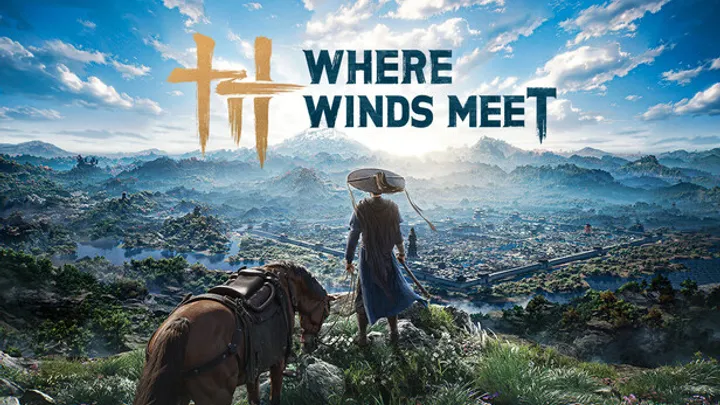

Viking Frontiers stands out as one of the most ambitious strategy-survival hybrids in recent years, merging settlement building, tactical warfare, cultural identity, and unforgiving environmental challenges. Rather than presenting Vikings as legendary conquerors or romanticized warriors, the game focuses on the grinding struggle behind every expedition, every settlement built, and every battle fought in unknown lands. At its core, Viking Frontiers is a game about expansion—not glorious, but difficult, messy, violent, and deeply human.
By dropping players into unstable frontier territories filled with rival clans, dangerous wildlife, unpredictable climate cycles, and scarce resources, the game forces you to confront the realities that shaped Norse exploration. Each decision carries weight, and survival is never guaranteed. This article explores a specific thematic issue that Viking Frontiers handles with exceptional depth: the emotional and strategic consequences of expanding into hostile, uncharted frontiers.
Through its systems, narrative, and world-building, Viking Frontiers transforms expansion into a meaningful struggle rather than a mindless conquest. Below are ten structured sections that dissect the game’s most complex and compelling elements.

1. The Burden of First Settlement
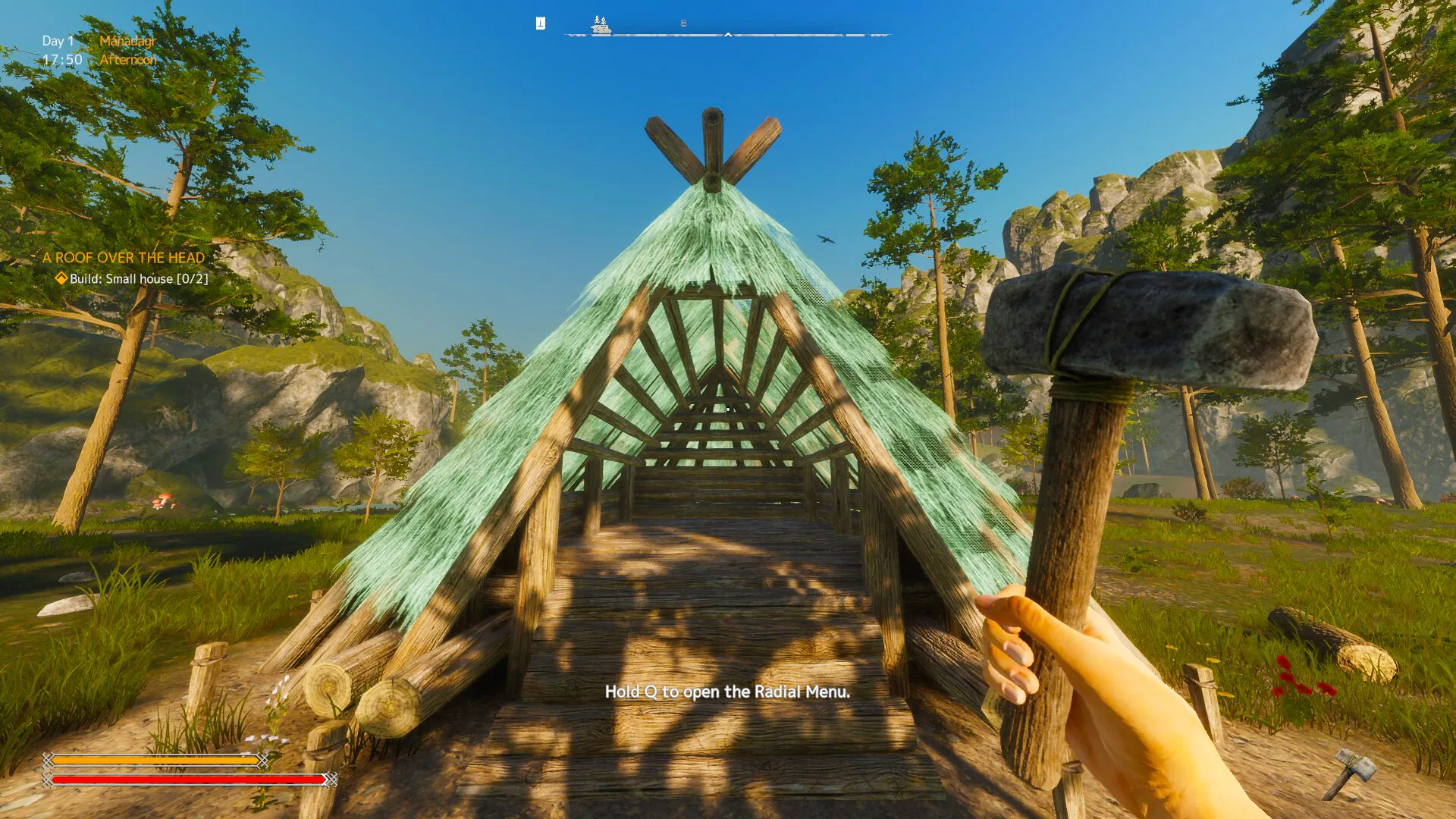
Viking Frontiers begins with a small ship of settlers arriving at a rugged coastline. This is not a triumphant landing; it is a desperate beginning. The first settlement must be built with whatever resources can be scavenged, hunted, or stolen from the land’s previous inhabitants.
The game highlights how fragile early expansion truly was. Settlers are physically cold, mentally exhausted, and spiritually uncertain. Abandoning your homeland is not a romantic journey—it is an anxious leap into the unknown. Failure in these early hours is common, and the game uses these failures to underline the vulnerability of Viking expansion.
Building a foothold in the frontier establishes the emotional tone of the game: survival first, conquest later, and cost always.
2. Conflicting Priorities Among the Settlers
One of the strongest features of Viking Frontiers is the morale and identity system, which drives settlers’ behavior and loyalty. Your people are not faceless villagers; they are individuals with opinions about leadership, violence, exploration, and tradition.
Some settlers want quick expansion and military dominance. Others prefer stability, agriculture, and diplomacy. These internal conflicts shape your decisions as a leader far more than simple resource counts.
Disregarding the will of your community leads to internal power struggles, desertion, or even mutiny. The game shows that Viking expansion was not a unified march forward—it was a negotiation between ambition, fear, and survival instincts.
3. Establishing Territory in a Hostile Land
Once the first settlement is stable, expansion becomes possible—but the land pushes back. Viking Frontiers depicts the frontier as a living opponent. Unmapped forests hide ambush predators. Rivers flood unpredictably. Snowstorms disrupt supply lines. In this game, the environment itself is a force of resistance.
Your settlement must expand carefully, establishing safe zones, patrols, and outposts. Overextension is a common mistake, often resulting in catastrophic losses. The game teaches that territory is not conquered—it is earned, defended, and constantly reclaimed.
Expansion is painted as a fragile balance between growth and vulnerability.
4. Encounters With Indigenous Peoples
Viking Frontiers presents multiple indigenous cultures within each region, none of which are mere obstacles. They have their own alliances, rituals, trade routes, and territorial claims. How you interact with them shapes your frontier narrative.
H3: Diplomacy vs. Domination
Diplomatic players can negotiate non-aggression pacts, trade for resources, or even hire local guides. This path is slower but can create stable long-term relationships.
Aggressive players may raid villages, seize land, or force tribute, gaining faster resources but provoking long-term hostility.
H4: Consequences of Bloodshed
Once blood is spilled, the repercussions echo across the entire map. Revenge raids, ambushes, alliances forming against you—the frontier becomes a political battlefield shaped by your choices.
5. The Emotional Toll of Leadership
The game’s leadership system reflects the psychological burden borne by Viking chieftains. Every major decision affects morale. Sending settlers into threatening regions might earn fame but costs trust. Leaving the settlement unprotected during exploration might cause panic or dissent.
Characters develop trauma, doubt, or pride depending on your decisions. The emotional landscape of your people becomes as important as the physical one.
By tying emotion to leadership, Viking Frontiers forces you to consider the personal cost of expansion—a theme often absent in strategy games.
6. War, Skirmishes, and Unpredictable Clashes
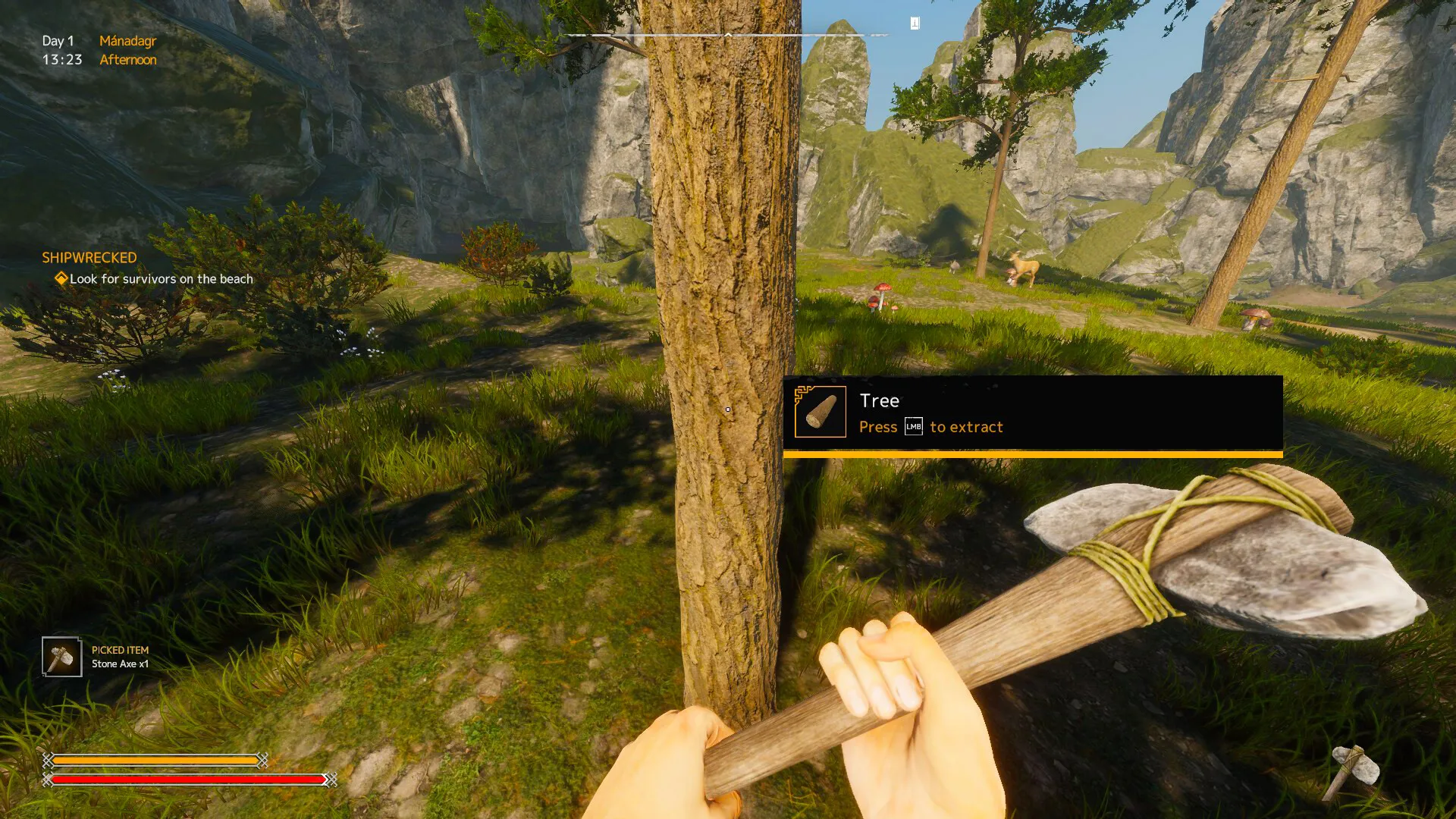
Combat in Viking Frontiers is gritty, tactical, and unpredictable. Instead of clean, organized battles, most conflicts unfold as chaotic ambushes, nighttime raids, forest skirmishes, or brutal close-quarters engagements.
Combat emphasizes situational awareness. Weather conditions, terrain, and fatigue matter more than raw strength. A small, well-prepared group can outsmart a larger force by using the environment to its advantage.
This depiction mirrors the guerrilla-style warfare common in early frontier conflicts, challenging the fantasy of Vikings as unstoppable warriors.
7. Scarcity, Resource Collapse, and the Cycle of Hardship
Unlike other strategy games where resource gathering becomes easier over time, Viking Frontiers keeps scarcity at the center of its design. Winter depletes food stores. Timber shortages cripple expansion. Weapon durability forces careful planning.
List of major scarcity threats players must manage:
• Dwindling food as population grows
• Harsh winters destroying crops
• Iron shortages limiting weapon production
• Drought reducing river-based trade
• Wildlife migration disrupting hunting
This constant pressure reinforces the theme: expanding into frontiers brings opportunity, but also fragility.
8. Cultural Preservation Versus Assimilation
A unique narrative thread in Viking Frontiers centers around cultural identity. As your settlement grows, your people adapt to their new environment, but how much they adapt becomes a crucial gameplay decision.
Some settlers want to maintain old traditions—pagan rituals, longhouses, clan hierarchy, and Norse craftsmanship. Others propose adopting aspects of local cultures or even developing hybrid traditions.
This tug-of-war shapes:
• Settlement architecture
• Religious practices
• Political structures
• Military tactics
• Trade policies
By balancing tradition and assimilation, Viking Frontiers illustrates the complexity of cultural survival in frontier expansion.
9. The Frontier as a Shifting, Dynamic Threat
What makes Viking Frontiers truly stand out is that the frontier itself evolves. Wildlife grows more aggressive if overhunted. Rival groups may migrate into your territory. Seasons reveal hidden pathways or cut off old ones. The map never remains static.
This forces players to constantly adapt their strategies. Yesterday’s safe trade route may be today’s ambush corridor. A peaceful neighbor tribe may become hostile due to famine. The frontier is alive, reactive, and unpredictable.
This dynamic behavior reflects the real-life uncertainty early settlers faced and adds dramatic tension to the game’s ongoing narrative.
10. Legacy, Expansion, and the Ethical Weight of Conquest
The endgame focuses on legacy. As your settlement becomes a true Viking frontier town, you must confront the ethical implications of your expansion. Did you coexist peacefully or carve your empire through force? Did your people thrive through cooperation or domination?
The game subtly encourages reflection on colonization and its long-term costs, without delivering moral lectures. Instead, your world is shaped by your own decisions. Looking at the map filled with burned villages, displaced tribes, or prosperous alliances forces players to recognize that expansion always leaves a mark.
Whether your settlement becomes a beacon of trade or a brutal conqueror’s camp depends entirely on your path, making Viking Frontiers an emotionally resonant exploration of ambition and survival.
Conclusion
Viking Frontiers goes far beyond typical Viking fantasy by grounding its narrative in the harsh, emotional, and often ethically complicated reality of frontier expansion. Through systems that prioritize scarcity, consequence, cultural tension, environmental danger, and the psychological burden of leadership, the game forces players to reconsider what it truly means to carve a home in an unforgiving world. Viking Frontiers is not about conquering the unknown—it's about surviving it, shaping it, and confronting the price of settlement that history often overlooks.