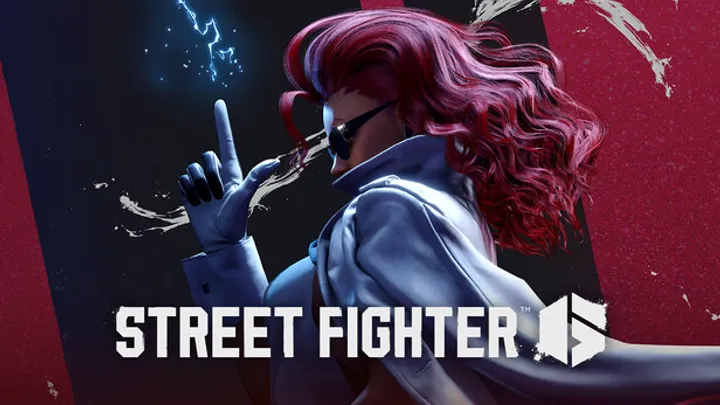




Street Fighter is often discussed in terms of execution, frame data, tier lists, and tournament results. Yet the most profound achievement of the series is not mechanical depth alone, but how a single round becomes a compressed psychological battlefield. In less than ninety seconds, Street Fighter constructs tension, memory, ego, adaptation, and collapse with surgical precision.
This article does not explain how to play Street Fighter, how to improve, or how to win. Instead, it dissects one complete round as a temporal and emotional structure. A single round—two characters, one stage, a ticking clock—contains a beginning, escalation, crisis, reversal, and aftermath. By following the round second by second, we can understand how Street Fighter transforms human decision-making into visible combat.
Street Fighter is chosen because it strips competition down to intent and reaction. There is no fog of war, no hidden information, no randomness to blame. Every action is declared in public, and every mistake is witnessed. This makes the round not just a mechanical exchange, but a confrontation between minds under pressure.
The Ritual of Stillness
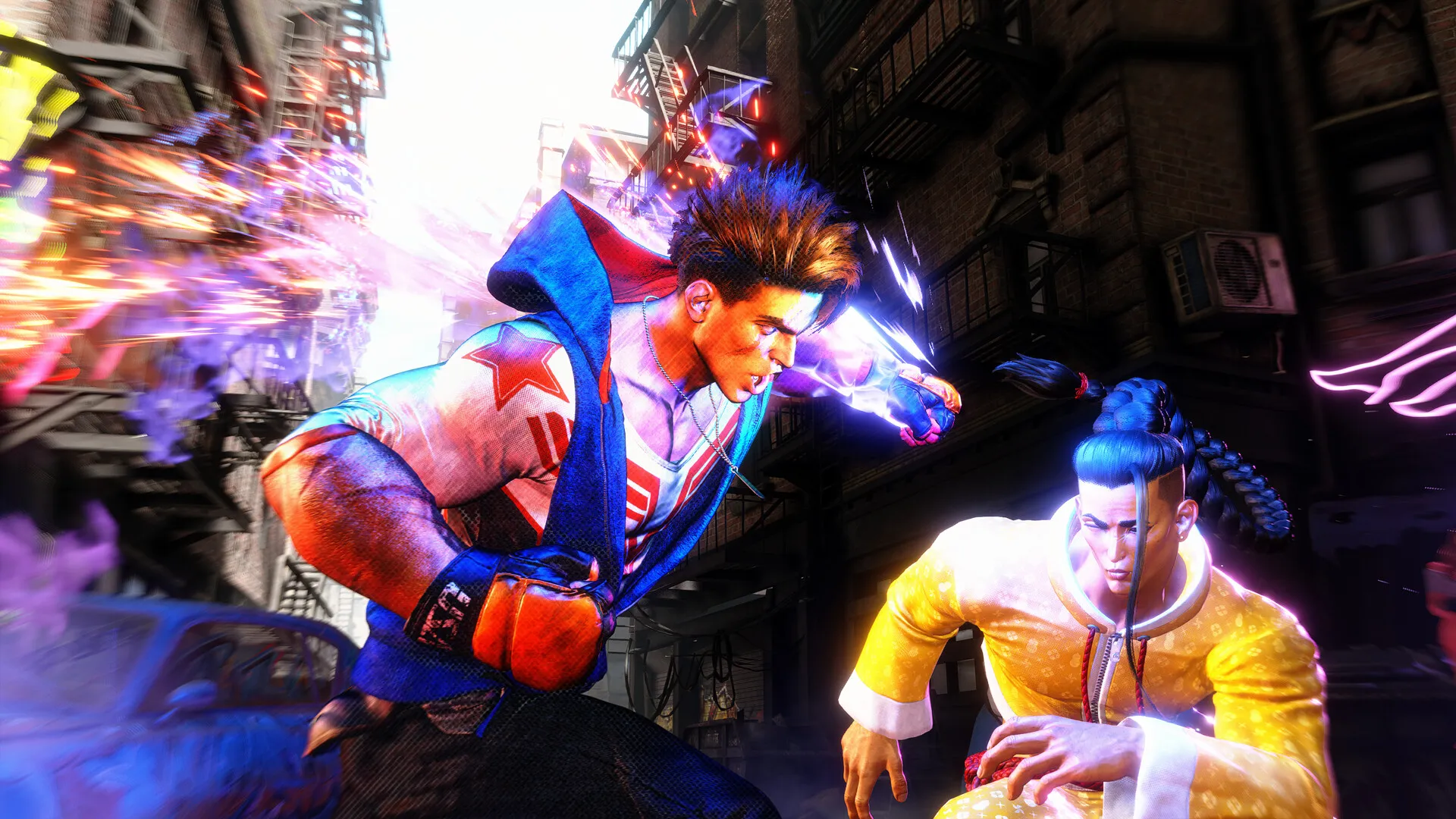
The round begins with symmetry. Both characters stand at neutral distance, full health, full meter potential, and identical opportunity. For a moment, nothing happens. This stillness is not emptiness—it is ritual.
Players test space before testing the opponent. Micro-movements forward and backward are not attempts to engage, but to feel the rhythm of the other person’s hands. Street Fighter teaches players to read intention before action. A jump at second two carries different meaning than a jump at second ten.
This phase is dominated by restraint. Nobody wants to be the first to reveal impatience. Buttons are withheld. The round breathes.
The clock begins counting down, but psychologically, time has not started yet.
The First Button
The first meaningful button is never accidental. Whether it is a light kick, a crouching medium, or a fireball, it is a declaration: I am willing to interact. This moment fractures symmetry.
Once the first button is pressed, the round gains history. From this point forward, everything is contextual. A blocked poke is not neutral—it is data. A whiffed normal is not harmless—it is remembered.
The first exchange is rarely decisive. Damage is low. What matters is tone. Does the opponent flinch? Do they swing back immediately? Do they retreat? Street Fighter begins teaching each player who the other person might be.
This is not yet a fight. It is a conversation in feints.
Establishing Authority
By now, the round has shape. One player may be pushing forward, asserting space with normals. The other may be retreating, inviting overextension. Authority begins to form—not through damage, but through control.
This is where Street Fighter differs from many competitive games. Power is not measured by health bars yet. It is measured by who decides where the fight takes place. The corner looms as a future consequence, not an immediate threat.
Players begin to test reactions. A jump that is clearly unsafe checks anti-air discipline. A dash tests attention. A throw attempt tests composure. Each test leaves residue in the opponent’s mind.
The round is no longer clean. It has fingerprints.
The First Hit That Matters
Eventually, a hit lands that cannot be ignored. It may not be a combo, but it is emotionally significant. A counter-hit. A whiff punish. A jump-in that connects cleanly.
This hit changes posture. The player who lands it feels validated. The player who receives it feels exposed. Health loss here is symbolic—it proves that defense is imperfect.
Street Fighter is cruel in this phase because it makes small errors visible. A mistimed button does not just lose health; it announces vulnerability. The opponent does not need to capitalize immediately. The knowledge itself is a weapon.
Momentum begins to tilt, even if the health bars look similar.
Meter Awareness and Emotional Accounting
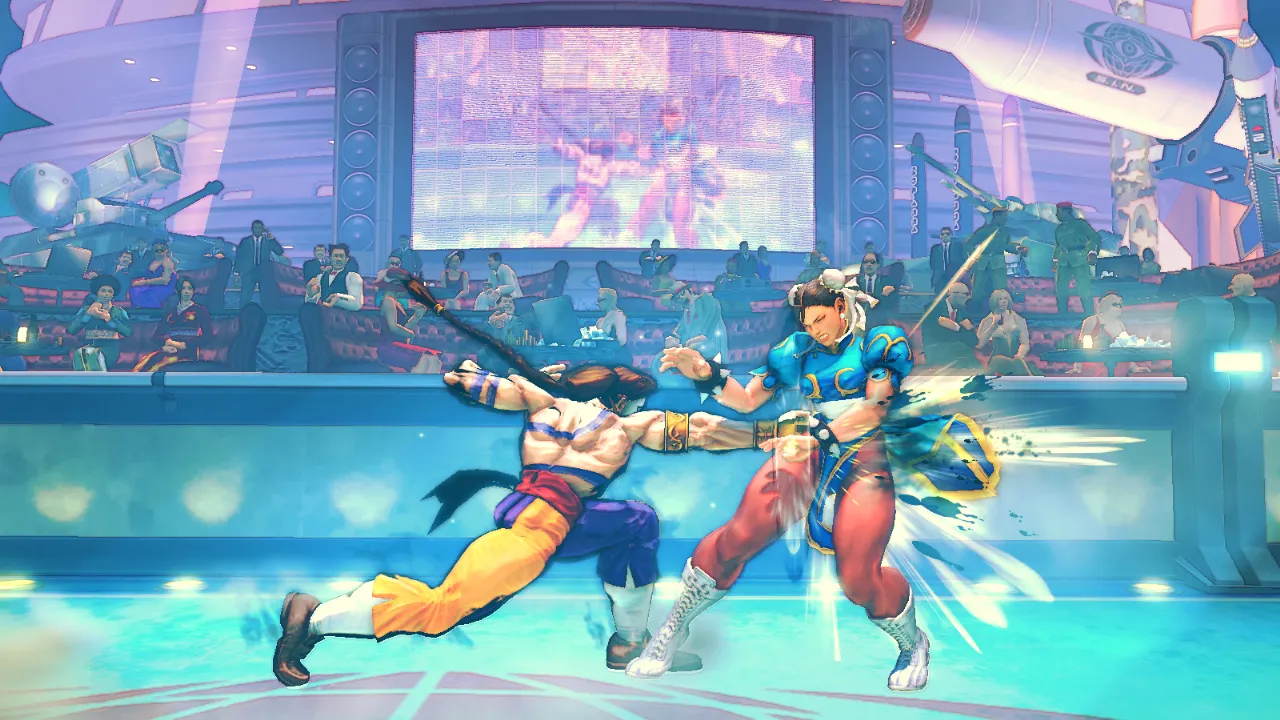
As the round progresses, meter becomes part of the psychological equation. Players are no longer just reacting to positions, but to future possibilities. Every blocked move feeds potential. Every hit builds threat.
This is where fear enters the round explicitly. Not fear of death, but fear of reversal. A player with meter is a player who cannot be pressured carelessly. The attacker must now negotiate with invisible danger.
Decisions slow down. Players hesitate not because they lack options, but because options have consequences now. Street Fighter reveals its depth here—not through complexity, but through restraint.
The round feels heavier, even as time continues to drain.
The Adaptation Phase
Patterns are no longer hidden. Both players have shown habits. The question is not what the opponent can do, but whether they will repeat it.
This phase is where adaptation lives. A jump that worked earlier is now punished. A throw attempt is teched. A fireball is jumped on reaction. Street Fighter becomes a test of memory and courage.
Adaptation is risky. To change behavior is to admit predictability. But to refuse adaptation is to accept exploitation. The round demands a decision: evolve or stubbornly persist.
This is often where the mental winner of the round is decided, even if the health bars disagree.
The First Knockdown
A clean knockdown transforms the round. For the first time, one player controls time itself. The wake-up situation is Street Fighter at its most intimate: one player must guess, the other must commit.
This is where trust in one’s own decisions is tested. Meaties, throws, shimmies—these are not techniques, but beliefs. The attacker believes the defender will fear something. The defender believes the attacker believes that.
The knockdown compresses the round’s entire history into a single moment. Every prior interaction informs the choice here. Success feels earned. Failure feels personal.
The round accelerates.
Momentum or Escape
After the knockdown, the round either snowballs or resets. If pressure continues, the defender feels suffocated. If the defender escapes, the emotional balance shifts dramatically.
Street Fighter is merciless in this phase. Momentum is fragile. A single reversal can erase thirty seconds of dominance. Conversely, one failed defensive decision can end the round entirely.
This is where spectators often feel excitement, but players feel dread. The room for error narrows. Hands tense. Inputs become louder.
The round is now visibly approaching resolution.
Low Health, High Stakes
When one or both players drop below half health, perception changes. Damage is no longer abstract. Every hit threatens the end. Players become hyper-aware of spacing, yet paradoxically more likely to panic.
This phase produces the most dramatic mistakes. Unsafe specials. Desperate jumps. Overextensions born from urgency. Street Fighter exposes human impatience here with ruthless clarity.
The player in the lead feels hunted. The player behind feels liberated. Risk tolerance inverts. This inversion is one of Street Fighter’s most elegant psychological mechanisms.
The crowd, if present, can feel the end coming before either player does.
The Final Exchange
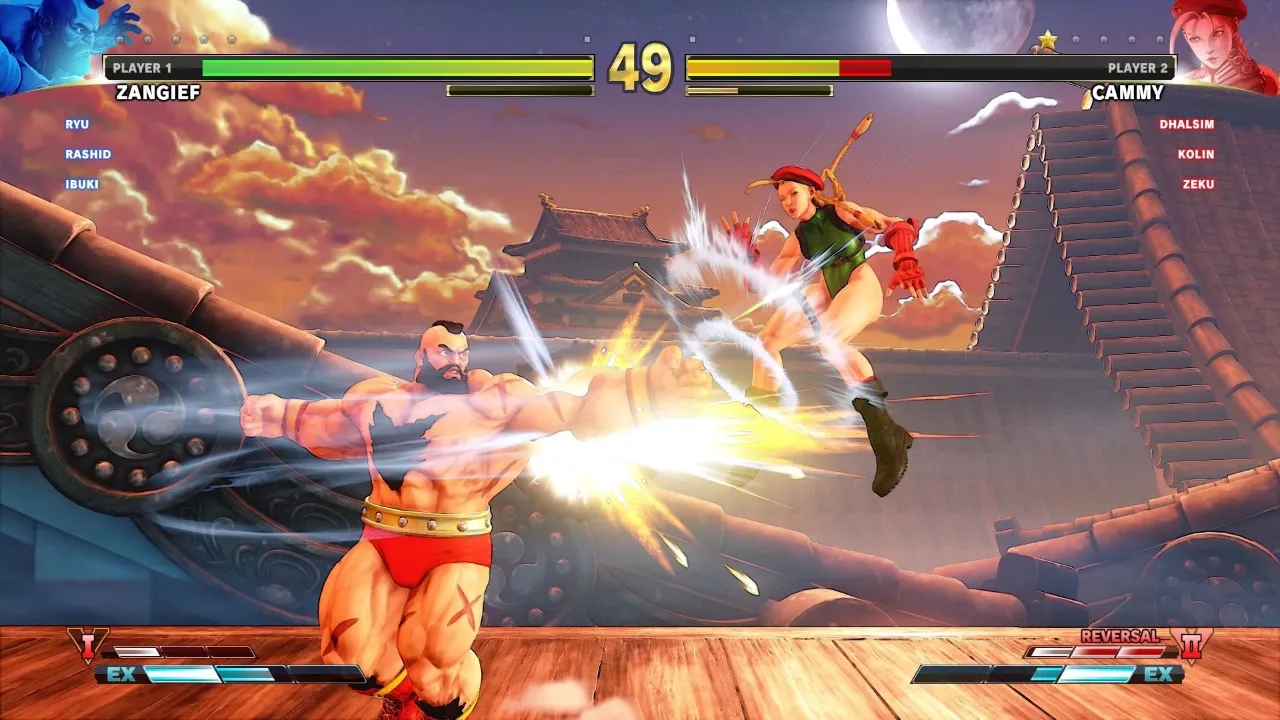
Most rounds end not with a long combo, but with a single interaction. A stray poke. A jump that finally works. A throw no one expected.
This exchange feels frozen in time. Inputs happen faster than conscious thought. Muscle memory overrides intention. Years of practice surface in half a second.
Victory arrives suddenly. Defeat arrives instantly. There is no fade-out, no buffer. The health bar empties, and the round is over.
Street Fighter does not soften this moment. It does not ask how close it was. It only records who remained standing.
Aftermath Without Pause
The most brutal part of Street Fighter is what happens next: nothing. The next round begins immediately. There is no reflection time, no decompression.
Players must carry the emotional residue of the previous round into the next one. Tilt is not a flaw—it is a consequence. Street Fighter tests not just skill, but emotional recovery speed.
A won round can breed arrogance. A lost round can breed desperation. The game does not intervene. It simply asks again: What will you do now?
Conclusion
A single round of Street Fighter is not just an exchange of moves—it is a compressed study of human behavior under pressure. In less than ninety seconds, the game reveals how people test boundaries, adapt to failure, manage fear, and respond to loss. Street Fighter endures not because it is complex, but because it is honest. Every round is a mirror, and not everyone likes what they see.